

What Is Event Planning? A Complete Guide to the Process, Elements, and Experience
Thoughtfully planned. Beautifully celebrated.
How to Choose an Event Venue That Matches Your Event Requirements
- Home
- Single Post
- RoxThemes
- Music & Entertainment Events
- Sep 20, 2025
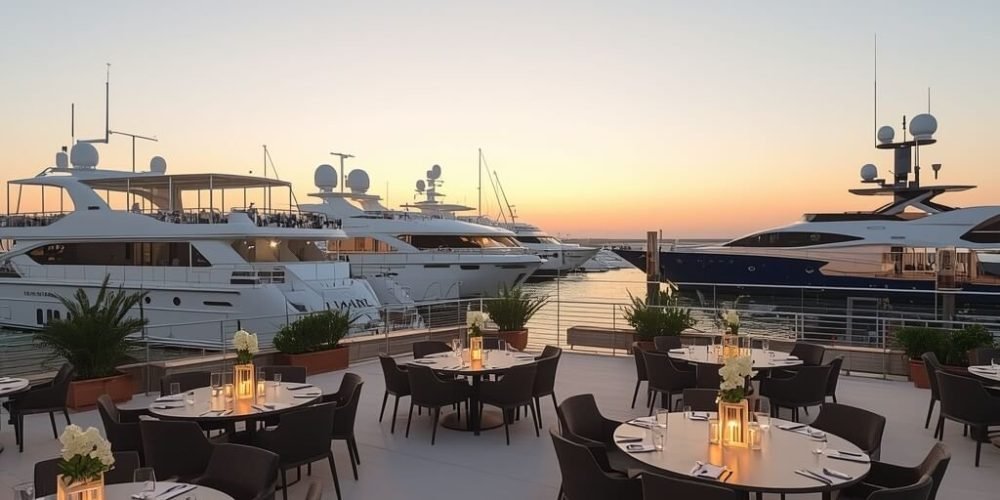
The right event venue is not simply the space that looks best in photos. It is the venue that can comfortably support your event purpose, guest count, layout, location needs, facilities, budget, production requirements and the experience you want guests to have.
Before booking, define what the event needs, then evaluate each venue against those requirements. Cvent similarly recommends treating date availability, budget, preferred location, space and layout as core venue-sourcing priorities before moving to finer details.
The following framework helps you compare event spaces based on what will actually matter on the day.
Understand Your Event Requirements Before Choosing a Venue
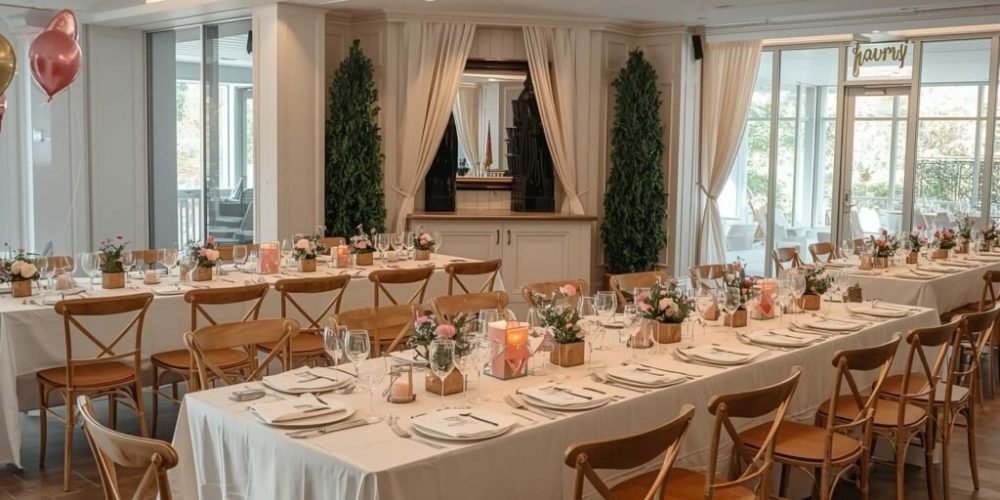
Venue selection should begin before you start browsing venues. First define the event itself.
Define Your Event Type and Purpose
Ask one simple question:
What needs to happen at this event?
A corporate conference may need a presentation stage, reliable AV, registration space and breakout rooms. A wedding may depend more heavily on dining, guest flow, stage placement and décor flexibility. A private dinner may only need one well-designed room with the right atmosphere.
Clarify:
- Event type
- Main purpose
- Expected activities
- Formal or casual format
- Day or evening event
- Dining requirements
- Entertainment
- Presentations or speeches
- Networking
- Décor or branding requirements
The event type determines the venue requirements, not the other way around.
Identify Your Guests and the Experience You Want
Think beyond the number of attendees. Consider who is coming and what they will need to do once they arrive.
A client-facing business event may need a polished arrival area, easy registration and space for conversations. A family celebration may need comfortable seating and room for children or entertainment. A destination wedding may make nearby accommodation much more important.
Define the experience before comparing spaces:
Who is attending? → What will they do? → What should they feel? → What does the venue need to provide?
Evaluate Venue Capacity and Layout for Your Event
A venue’s advertised maximum capacity does not automatically mean it can comfortably accommodate your event.
Match Venue Capacity With Your Guest Count
Start with your realistic expected attendance. Then ask how many guests the venue can accommodate in the layout you need. Capacity can change depending on whether the room uses:
- Theatre seating
- Banquet tables
- Classroom seating
- Cocktail/reception layout
- Boardroom setup
- Cabaret layout
Dubai’s official business-events venue platform, for example, lets planners compare venues by delegate numbers and layouts such as banquet, boardroom, cabaret, classroom, theatre and U-shape. A room that holds 300 people theatre-style may not support 300 guests once you add dining tables, a stage and circulation space.
A useful rule
Do not ask only: How many people does the venue hold?
Ask: How many people can this venue comfortably hold in my required event configuration?
Check the Layout and Space Configuration
Once capacity works, look at how the space is arranged. Check whether you have enough room for:
- Guest seating
- Registration
- Stage or presentation area
- Dining
- Networking
- Entertainment
- Breakout rooms
- Catering/service areas
- Photography
- Backdrop or décor
- Storage
- Staff movement
ICC Belfast specifically recommends considering how guests will move between registration, sessions, networking and catering areas rather than evaluating room size alone. A poorly configured large venue can be less useful than a smaller venue with the right flow.
Match the Layout to the Event Format
Event format | Commonly useful layout |
Conference | Theatre or classroom |
Workshop | Classroom + breakout areas |
Wedding | Banquet / reception |
Networking event | Open / cocktail |
Gala dinner | Banquet |
Presentation | Theatre + stage |
Treat this as a starting point, not a universal rule. The actual activities determine the final layout.
Assess Venue Location and Accessibility for Guests
The best venue on paper can still create problems if guests struggle to reach or use it.
Consider Travel Convenience
Think about where most attendees are travelling from. Check:
- Travel time
- Main road access
- Taxi/drop-off access
- Public transport where relevant
- Distance from airports for international guests
- Nearby hotels for destination or multi-day events
- Ease of finding the venue
For a local birthday, nearby accommodation may be irrelevant. For a conference or wedding with travelling guests, it can become a major decision factor.
Review Parking and Transportation
If most guests will drive, ask:
- Does the venue provide parking?
- How many spaces are available?
- Is there valet parking?
- Where do taxis and ride-hailing vehicles stop?
- Can buses or coaches access the venue?
- Is the parking area close to the entrance?
Accessibility also needs to include guests with mobility requirements. UAE government guidance recognises designated parking and accessible transportation provisions for People of Determination, while Dubai Municipality lists features such as accessible parking, restrooms, ramps and elevators among its accessibility measures.
During a venue visit, check the actual route from parking or drop-off to the event space rather than relying only on an accessibility label.
Review Venue Facilities, Services and Technical Capabilities
A venue should support the event operationally, not just aesthetically.
Check the Facilities and Amenities
Depending on the event, check for:
- Tables and chairs
- Restrooms
- Wi-Fi
- Catering or food-preparation areas
- Guest reception space
- Breakout rooms
- Storage
- Security
- Venue staff
- Dressing or preparation rooms
- Outdoor areas
- Power access
Cvent recommends checking what furniture, catering, technical support and other services are already available in-house because these inclusions can materially affect both logistics and cost.
Do not assume an advertised amenity is included in the venue hire. Ask.
Check Sound, Lighting and AV
For conferences, launches, entertainment and other production-led events, inspect the technical infrastructure carefully. Check:
- Microphones
- Speakers
- Sound system
- Projection
- LED/screens
- Stage lighting
- Ambient lighting
- Wi-Fi
- Power
- Acoustics
- Technical support
There is an important difference between: equipment exists and equipment is suitable for your event and properly supported.
ICC Belfast highlights acoustics and qualified technical support as practical venue-selection considerations, while Cvent recommends reviewing AV, utilities and connectivity before booking. If guests cannot hear the speaker clearly, an impressive ballroom will not rescue the event.
Confirm Catering and Vendor Policies
Before signing, find out what you are actually allowed to bring into the venue. Ask:
- Is catering in-house?
- Can I use an external caterer?
- Does the venue require approved suppliers?
- Can I bring my own decorator?
- Can an external AV company work onsite?
- Are there restrictions on entertainment?
- Are floral installations allowed?
- Can structures be fixed to walls or ceilings?
- What documents or insurance do external vendors need?
Vendor restrictions can affect both your creative options and your final budget.
Consider Venue Style, Atmosphere and Guest Experience
Operational suitability comes first, but atmosphere still matters.
Choose a Venue Style That Matches the Event
Different events call for different environments:
- Hotel ballroom
- Indoor hall
- Outdoor lawn
- Restaurant
- Villa
- Yacht
- Beachfront venue
- Unique or themed space
Sensation Events currently works with venue partners across categories including yachts, outdoor venues, indoor halls and themed spaces, which illustrates how different venue formats can suit very different events.
The right question is not: Which venue looks most impressive?
It is: Which venue naturally supports the experience we are trying to create?
Check How Much You Can Customise
If décor is important, inspect the venue before assuming it can be transformed. Confirm whether you can install:
- Floral arrangements
- Balloon structures
- Backdrops
- Branding
- Stages
- Hanging décor
- Lighting
- Signage
- Props
- Special effects where applicable
Some venues already have a strong visual identity. In those spaces, adding more décor can make the event feel crowded rather than better designed. The venue should give you enough flexibility to create the required atmosphere without fighting against the space.
Understand Event Venue Costs Before Booking
Do not compare venues using the hire fee alone.
Compare the Total Cost, Not Just Venue Rental
Ask each venue for an itemised quotation. Clarify whether the price includes:
- Venue hire
- Furniture
- AV
- Sound
- Lighting
- Venue staff
- Security
- Cleaning
- Catering
- Setup time
- Breakdown time
- Parking
- Equipment
- Utilities
A slightly more expensive venue can sometimes cost less overall if essential infrastructure is already included.
Check Additional Charges and Contract Terms
Before paying a deposit, ask about:
- Overtime
- Additional setup hours
- Cleaning
- Security
- Equipment hire
- AV charges
- External-vendor charges
- Cancellation
- Postponement
- Deposits
- Payment schedule
- Damage deposits
- Minimum catering spend
- Supplier restrictions
Cvent and ICC Belfast both identify hidden or additional costs and contract conditions as issues that should be reviewed before the booking decision.
Ask for the real total
Instead of asking: What is the venue price?
Ask: What will this venue cost once everything required for my event is included?
Confirm Date Availability
Check availability before investing heavily in one venue concept. If your event date is fixed, availability becomes a non-negotiable requirement. If your date is flexible, alternate dates may increase your venue options.
There is no reliable universal rule for how many months in advance every venue should be booked. Lead time depends on the event type, scale, venue demand and date flexibility. ICC Belfast also notes that sourcing timelines vary by event type and size.
Check Whether the Venue Can Actually Support Your Event Production
Once a venue passes the basic selection criteria, go one level deeper. Ask: Can we physically produce the event we are planning inside this venue? This is where many attractive venues fail. Check:
- Stage dimensions
- Stage placement
- Sound requirements
- Lighting positions
- AV infrastructure
- Electrical power
- Technical control area
- Back-of-house space
- Storage
- Supplier entrances
- Loading access
- Setup time
- Breakdown time
- Entertainment positioning
- Décor installation
A corporate launch requiring a large LED screen, presentation stage and product display should be assessed very differently from a private dinner. Sensation Events’ current production service covers lighting, sound, technical setup, equipment, event staff, transportation, setup and teardown, which makes production feasibility a practical part of venue evaluation rather than a separate concern after booking.
Use a Must-Have, Should-Have and Nice-to-Have Framework
One of the easiest ways to make a bad venue decision is to give every feature equal importance. Do not.
Must-Have
A venue should be rejected if it fails an essential requirement such as:
- Available event date
- Suitable capacity
- Workable budget
- Required accessibility
- Essential facilities
- Required layout
- Production feasibility
Should-Have
Use these to compare venues that already pass the essentials:
- Preferred location
- Flexible layout
- Convenient accommodation
- Suitable AV
- Good parking
- Appropriate atmosphere
- Useful in-house services
Nice-to-Have
These can improve the experience but should not rescue an unsuitable venue:
- Exceptional views
- Premium architecture
- Additional breakout areas
- Extra amenities
- Unique experiential features
A venue with a spectacular view but no practical loading access for your required production is usually a worse choice than a less dramatic venue that can actually deliver the event.
Compare Shortlisted Venues Side by Side
Do not rely on memory after several venue visits. Use the same criteria for every option.
Decision factor | Venue A | Venue B | Venue C |
Event date available | |||
Capacity fits | |||
Location works | |||
Accessible for guests | |||
Suitable layout | |||
Facilities included | |||
Within budget | |||
AV / technical capability | |||
Production feasible | |||
External vendors allowed | |||
Atmosphere fits event | |||
Contract acceptable |
Do not automatically choose whichever venue has the most ticks. A failure under a must-have criterion should carry more weight than several nice-to-have advantages.
Event Venue Visit Checklist
Online photos are useful for shortlisting. A site visit helps reveal what the event will actually be like. Check:
- Confirmed guest capacity
- Room dimensions
- Seating configurations
- Guest flow
- Entrances and exits
- Parking
- Accessible routes
- Restrooms
- Stage position
- AV
- Sound
- Lighting
- Acoustics
- Power
- Wi-Fi
- Catering areas
- Vendor access
- Loading area
- Storage
- Setup time
- Breakdown time
- Décor restrictions
- Outdoor backup options where applicable
- Overall venue condition
Take photographs and notes during the visit so you can compare venues later using the same criteria.
What to Do After You Choose the Venue
Venue selection is not the end of planning. Once you choose the event space:
- Review and sign the contract.
- Confirm the event date and access times.
- Finalise the room layout and guest capacity.
- Document venue restrictions.
- Confirm approved and external suppliers.
- Plan décor, lighting, sound and production.
- Coordinate setup, supplier arrivals and breakdown.
This prevents information discovered during venue sourcing from getting lost once production begins.
When Professional Venue Support Can Help
Professional venue sourcing becomes useful when your event has several requirements that need to work together. For example:
- You need to shortlist venues against a specific guest count.
- The event requires significant AV or staging.
- Several suppliers need access to the space.
- Décor installation needs venue approval.
- You need catering, entertainment and production coordinated together.
- You are comparing different venue types rather than similar rooms.
Sensation Events works with venue partners rather than owning the venues it recommends and states that it helps clients select spaces according to event needs. Its venue offering includes indoor halls, outdoor venues, yachts and themed spaces.
Where required, venue sourcing can then connect with event planning, décor, entertainment, catering and production coordination rather than leaving each requirement to be checked separately.
Questions to Ask Before Booking an Event Venue
Check the venue’s capacity, layout, accessibility, parking, restrooms, AV, lighting, acoustics, Wi-Fi, catering areas, vendor access, setup time, storage and overall condition.
Do not inspect only the guest-facing areas. Loading entrances and back-of-house spaces may matter just as much on event day.
It depends on the venue.
Some venues allow external caterers, decorators and AV teams. Others require approved or preferred suppliers. Confirm the vendor policy, any additional fees and documentation requirements before signing.
There is no single booking timeframe that applies to every event.
The right lead time depends on:
- Event type
- Guest count
- Venue popularity
- Event date
- Peak periods
- Production complexity
- How flexible you are about the date
Start venue sourcing once your event requirements and target date are clear rather than waiting for a universal booking deadline.
A useful venue quote should make clear:
- Venue hire
- Included hours
- Furniture
- AV or equipment
- Staffing
- Catering requirements
- Security
- Cleaning
- Setup and breakdown
- Taxes/fees where applicable
- Additional charges
Ask for an itemised proposal so different venues can be compared on the same basis.
The better venue is the one that satisfies your non-negotiable requirements while giving you the strongest combination of accessibility, layout, facilities, production suitability, cost and guest experience.
A visually impressive venue that fails an essential requirement is not the better venue.
Final Venue Selection Checklist
Before booking, you should be able to answer yes to the questions that are essential for your event:
- Does the venue suit the event’s purpose?
- Is the date available?
- Does the usable capacity fit the guest count?
- Does the layout support the event format?
- Can guests reach and navigate the venue comfortably?
- Are the required facilities available?
- Can the venue support the AV and production setup?
- Are your preferred suppliers allowed?
- Can you install the required décor?
- Do you understand the complete cost?
- Are the contract and cancellation terms acceptable?
- Is there enough setup and breakdown time?
- Does the venue create the experience you want?
If the answer to an essential question is no, keep looking.
The right event venue is not simply the most impressive space on your shortlist. It is the space where your guests, suppliers, décor, production and event plan can all work together without unnecessary compromise.